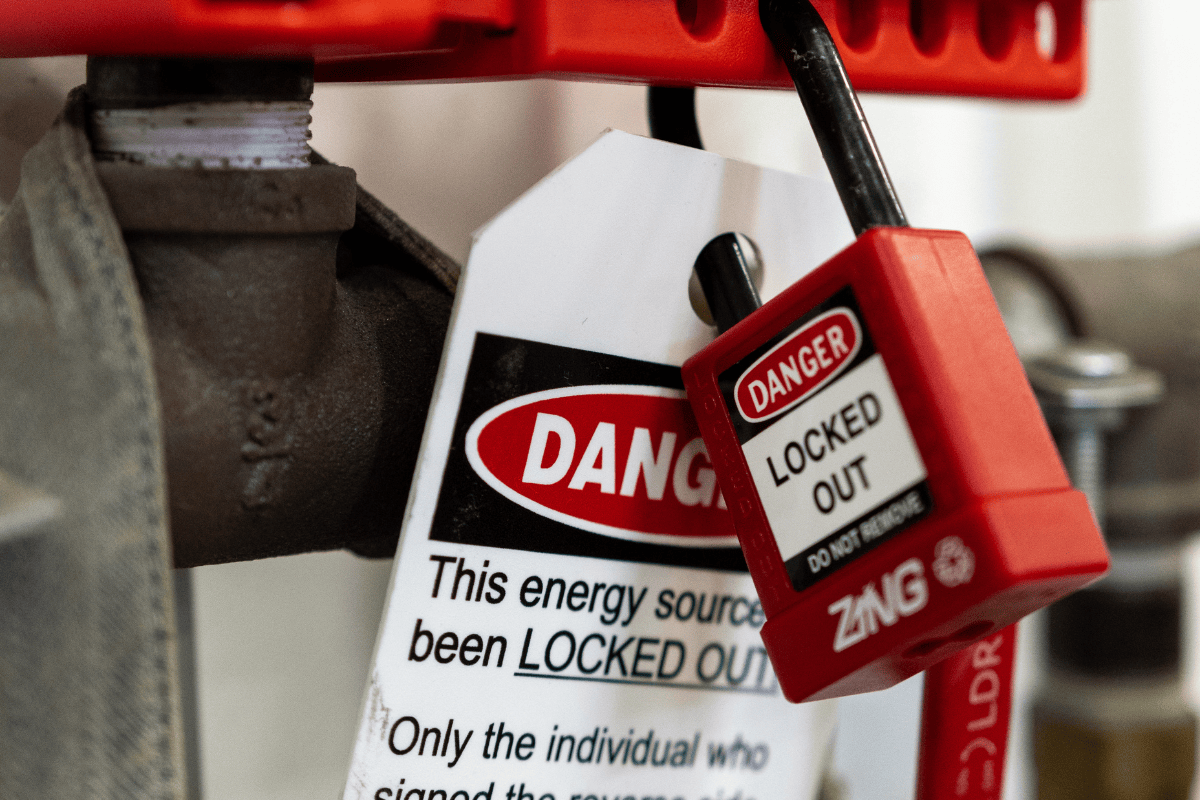
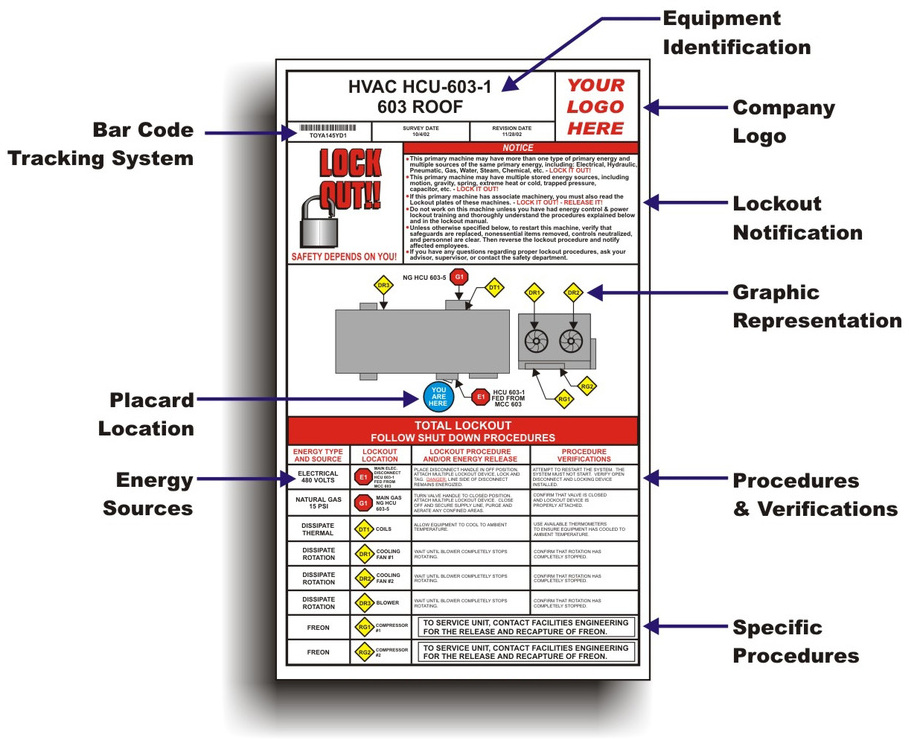
In facilities where machinery and energy sources pose real danger, one broken lock can mean one life lost. Yet across warehouses, manufacturing floors, and maintenance bays, workers still rely on flimsy or mismatched locks for lockout tagout (LOTO) procedures—inviting preventable accidents. The right locks aren’t just accessories; they’re the final, critical barrier between a technician and a thousand pounds of moving steel. This guide cuts through the noise to show you how to choose, implement, and maintain locks that perform when it matters most.
Why Locks Are the Foundation of Effective LOTO
Lockout tagout isn’t about tags—it’s about locks. Tags communicate intent, but only a physical lock stops accidental energization. OSHA’s 29 CFR 1910.147 standard makes this clear: before servicing equipment, authorized employees must isolate energy sources and use a lock to prevent re-energizing.
That lock has to be: - Durable enough to resist tampering or environmental stress - Distinctive enough to signal “do not operate” - Personal enough that only the employee who applied it can remove it
A maintenance worker in a Midwest food processing plant once bypassed a missing lock by using a standard hardware store padlock. When a colleague mistakenly re-energized the conveyor, the outcome was severe injury. The root cause? A lock not designed for LOTO—no unique keying, no visibility, no accountability.
The takeaway: LOTO locks aren’t generic. They’re engineered controls.
Key Features of a Valid LOTO Lock
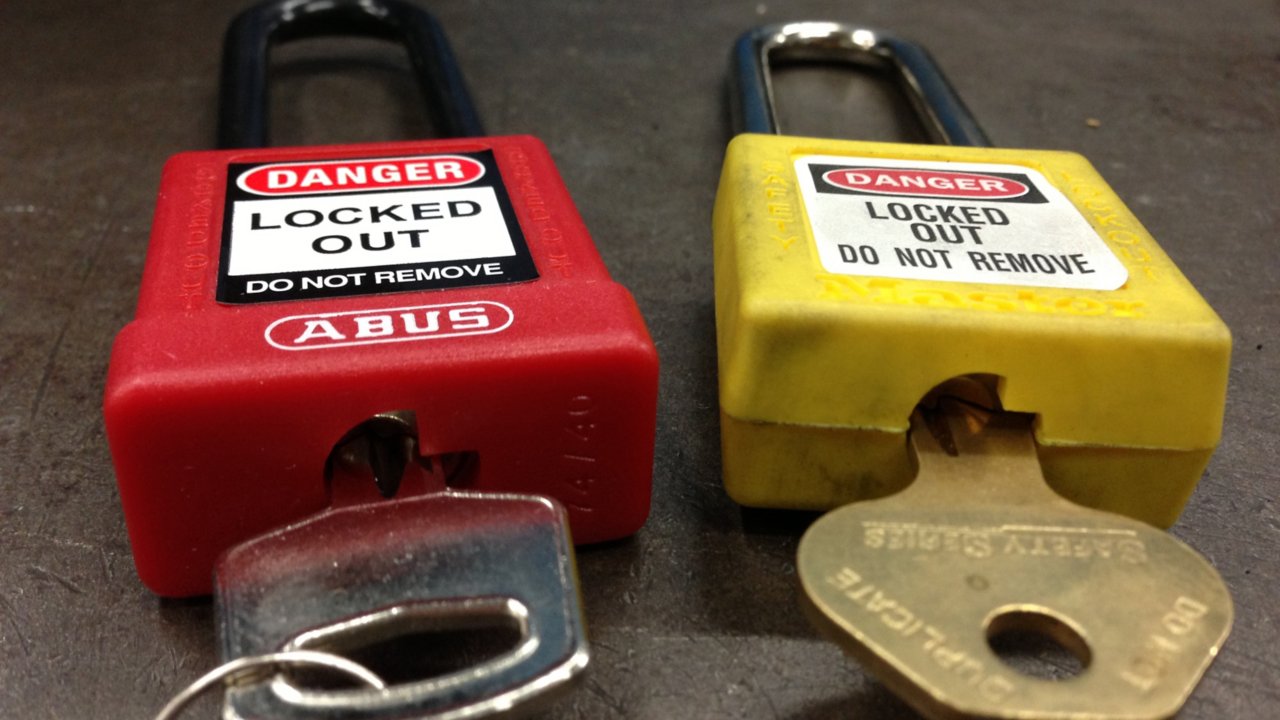
Not every lock qualifies. To meet OSHA and internal safety protocols, LOTO locks must have specific attributes.
1. Non-conductive construction Metal locks conduct electricity. In environments with electrical hazards, a conductive lock increases arc flash risk. OSHA recommends non-metallic locks—typically nylon or polycarbonate—for electrical applications.
2. Standardized color coding Color isn’t just visual flair. It’s part of a safety language. Red is most common—universally signaling “danger” or “off.” Some companies expand this: - Yellow: caution, maintenance in progress - Blue: contractor-specific lock - Green: energy restored, test phase
Using distinct colors prevents confusion during multi-person repairs.
3. Resettable combination or keyed design Keyed locks dominate because they support personal accountability. Each technician has a unique key. Combination locks eliminate key management but require training to avoid shared codes.
4. Shackle size and material Shackles must fit the energy-isolating device. A 3/8-inch shackle won’t fit a large circuit breaker handle. Common sizes: - 1/4 inch: small valves, control switches - 3/8 inch: standard breakers, lockout hasps - 5/8 inch: industrial disconnects, heavy machinery
Stainless steel shackles resist corrosion; nylon-shackled locks avoid sparks in flammable environments.
5. Weather and chemical resistance Outdoor or chemical processing areas demand rugged locks. Look for IP67-rated enclosures or UV-stabilized materials that won’t degrade under sun or solvent exposure.
Common Lock Types Used in LOTO Programs
Different hazards require different locking strategies. Here are the most effective lock types in use today.
#### Hasp Locks Used with group lockout scenarios. A lockout hasp fits over a disconnect switch, allowing multiple workers to apply individual locks. Each worker places their lock on the hasp before work begins. No one can restart the machine until every lock is removed.
Best for: Team maintenance, complex shutdowns Limitation: Adds bulk; may not fit tight spaces
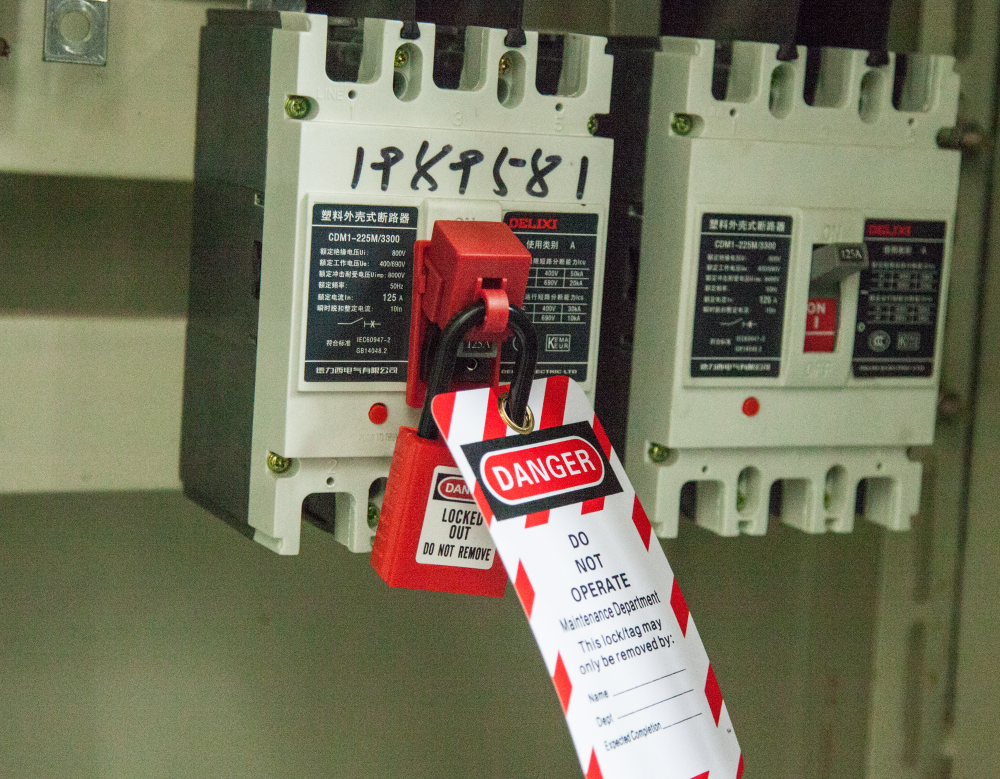
#### Breaker Lockouts These are device-specific. A circuit breaker lock slides over the switch handle, making it impossible to flip. Most accept one or more padlocks.
Best for: Electrical panels, industrial control circuits Example: A 30-amp motor overhaul requires four technicians—each applies their lock to the breaker lockout before disassembly.
#### Valve Lockouts Used on ball valves, gate valves, and pneumatic controls. A valve lock clamps around the handle, preventing rotation. Some models use padlocks; others use integrated locking.
Best for: Plumbing, gas lines, hydraulic systems Tip: Use orange or yellow valve locks—they’re more visible in dim utility spaces.
#### Plug and Cord Locks Prevent reconnection of power cords. A cord lock cinches the plug, blocking access to the outlet. Ideal for portable tools or temporary disconnects.
Best for: Workshop environments, mobile equipment Real use case: A maintenance team servicing a CNC router uses plug lockouts to secure extension cords before internal access.
#### Personal Safety Locks These are the standard padlocks carried by each authorized employee. Must be: - Individually assigned - Single-use per employee per job - Clearly labeled with employee name
Using personal locks builds accountability. No shared master keys. No borrowed locks. Each worker owns their safety.
Top 5 Locks for Lockout Tagout in 2024
Choosing the right product matters. These five locks are widely trusted across industries for reliability, compliance, and durability.
| Product | Type | Shackle Size | Key Feature | Best Use Case |
|---|---|---|---|---|
| Brady BMP28 | Padlock | 5/8” | Reinforced nylon body, 12-pin cylinder | High-abuse industrial sites |
| Master Lock 1500iDLH | Padlock | 3/8” | Weather-resistant, non-conductive | Electrical panels, outdoor units |
| Grainger 2XHP39 | Valve Lock | Adjustable | Fits 0.5–1.5” handles | Water, gas, steam systems |
| Ideal Industries 54-920 | Breaker Lock | N/A | Accommodates two padlocks | Multi-person electrical work |
| DEWALT DWLTLO1 | Plug Lock | N/A | One-handed operation | Power tools, portable equipment |
These aren’t just tools—they’re integrated into safety workflows. The Brady BMP28, for example, resists bolt cutters and UV degradation, making it ideal for offshore oil rigs. Meanwhile, the Master Lock 1500iDLH is common in utilities for its non-conductive body and long lifespan.
How to Audit Your Current LOTO Locks
Compliance isn’t a one-time setup. It’s ongoing. Conduct regular lock audits using this checklist:
- [ ] All locks are red or color-coded per company policy
- [ ] No locks are chained or taped—each must be padlocked
- [ ] Shackle length and diameter match application
- [ ] No keys are left in locks or stored nearby
- [ ] Each lock has employee identification
- [ ] Non-conductive locks are used near electrical hazards
- [ ] Locks show no signs of wear, corrosion, or forced removal
One Midwest refinery reduced LOTO incidents by 70% after discovering 30% of locks were corroded or improperly sized during an audit. They replaced them with stainless steel shackle models and added quarterly checks.
Audits should happen at least twice a year—or after any near-miss.
Mistakes That Undermine LOTO Lock Effectiveness
Even with the best locks, human error can compromise safety.
Mistake 1: Using personal locks for non-LOTO tasks A technician using their LOTO lock to secure a toolbox teaches complacency. That lock loses its “danger” meaning.
Mistake 2: Sharing keys or combinations If more than one person can unlock a LOTO device, the system fails. Personal locks must stay personal.
Mistake 3: Skipping group lockout procedures In multi-worker jobs, some skip the hasp and rely on verbal checks. That’s not OSHA-compliant. Every worker must apply their own lock.
Mistake 4: Using damaged or worn locks A stiff keyway or bent shackle can delay lock removal—or worse, allow accidental disengagement. Replace damaged locks immediately.
Mistake 5: Poor storage Loose locks in a drawer lead to lost keys and disorganization. Use lockout stations with labeled storage for each employee.
Fix these, and you move from compliance to culture.
Integrating Locks Into a Complete LOTO Workflow
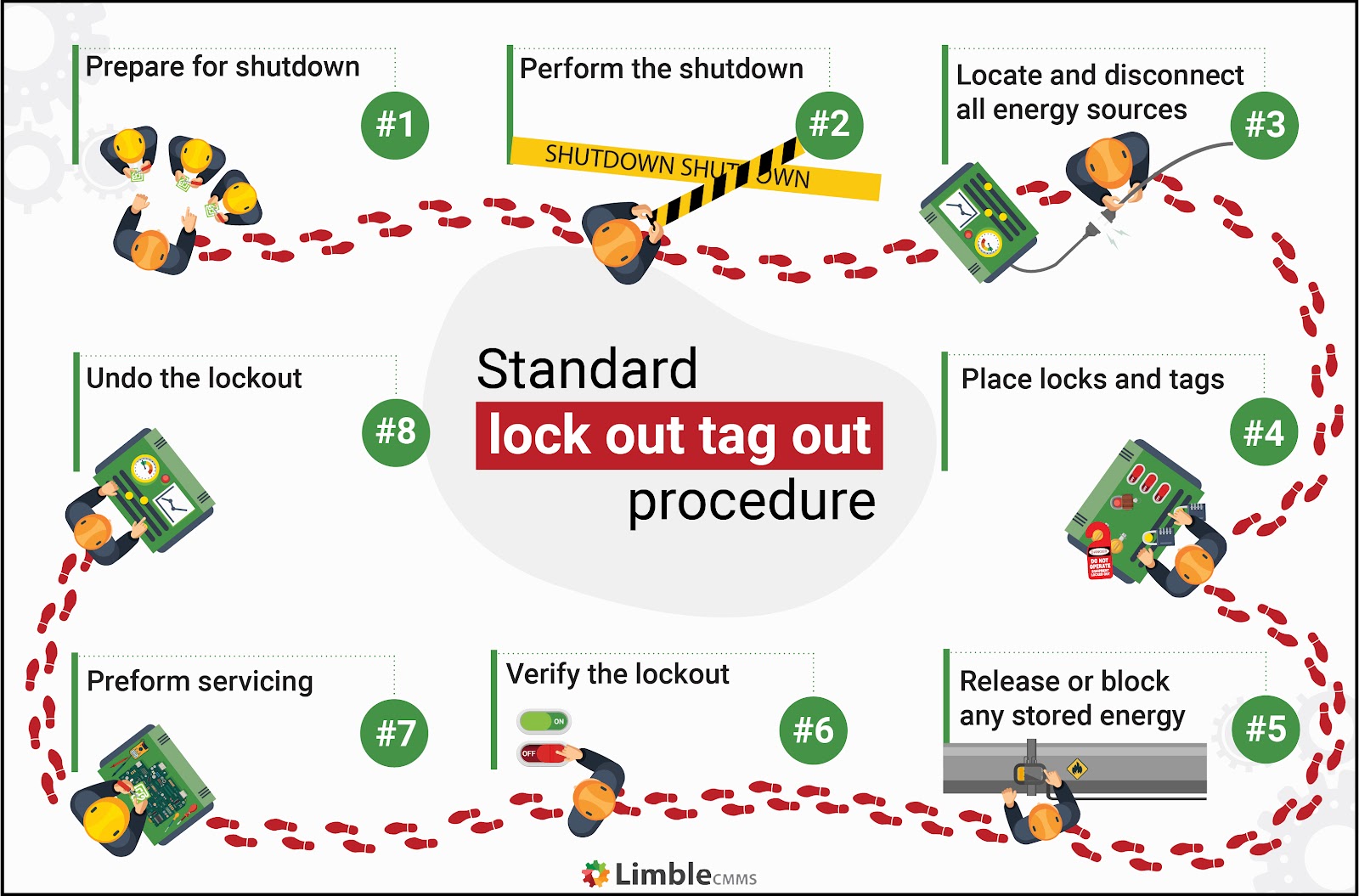
A lock doesn’t work in isolation. It’s part of a sequence:
- Shutdown – Operator turns off machine using normal controls
- Isolation – Energy-isolating device (breaker, valve, disconnect) is engaged
- Lock application – Each worker applies their personal lock
- Tag application – Tag states who locked it, when, and why
- Verification – Worker tests for zero energy (e.g., try-start)
- Work performed – Maintenance or repair completed
- Removal – Only the lock’s owner removes it after confirming safety
In a paper mill, a mechanic once skipped verification after lockout. Assumed the press was dead. When he reached in, residual hydraulic pressure caused a snap movement—nearly crushing his hand. The lock was in place, but the process failed at verification.
Locks are only as strong as the procedures behind them.
Final Selection Tips for Long-Term Success
When sourcing locks for lockout tagout, prioritize durability over cost. A $20 lock protecting a $2 million machine is worth every cent. Look for: - ISO-compliant testing (e.g., salt spray resistance) - Manufacturer warranties of 5+ years - Compatibility with your existing lockout devices - Availability of replacement parts (shackles, tags, keys)
Train employees not just on how to lock out—but why each component matters. A lock isn’t a formality. It’s proof of protection.
Equip your team with locks that are visible, personal, and built to last. Then enforce the rules without exception.
Your maintenance crew shouldn’t wonder if their lock will hold. They should know it will.
FAQ
Can I use any padlock for lockout tagout? No. LOTO locks must be standardized, non-replaceable, and identifiable to a single employee. Generic padlocks don’t meet OSHA requirements.
Why do LOTO locks have to be red? Red is the universal color for danger or stop. While not strictly mandated, OSHA recognizes red as the standard for safety devices, improving recognition.
What’s the difference between lockout and tagout? Lockout uses a physical lock to prevent energizing. Tagout uses a warning tag. Lockout is required when effective; tagout alone is less secure and has additional restrictions.
Can one lock be used by multiple people? No. Each worker must apply their own personal lock. Group lockout uses a hasp so multiple locks can be applied to one isolation point.
How often should LOTO locks be replaced? Inspect locks regularly. Replace if damaged, corroded, or difficult to operate. Most industrial locks last 3–5 years with proper care.
Do LOTO locks need to be keyed alike? No. In fact, they should not be. Each employee’s lock should require a unique key to prevent unauthorized removal.
Can combination locks be used for LOTO? Yes, if they are designed for safety use and ensure individual accountability. Shared combinations defeat the purpose.
FAQ
What should you look for in Choosing the Right Locks for Lockout Tagout Safety? Focus on relevance, practical value, and how well the solution matches real user intent.
Is Choosing the Right Locks for Lockout Tagout Safety suitable for beginners? That depends on the workflow, but a clear step-by-step approach usually makes it easier to start.
How do you compare options around Choosing the Right Locks for Lockout Tagout Safety? Compare features, trust signals, limitations, pricing, and ease of implementation.
What mistakes should you avoid? Avoid generic choices, weak validation, and decisions based only on marketing claims.
What is the next best step? Shortlist the most relevant options, validate them quickly, and refine from real-world results.