Every year, dozens of workers are injured or killed during equipment servicing—despite the fact that these incidents are almost entirely preventable. The root cause? Failure to properly de-energize and isolate machinery before maintenance. Lockout tagout safety procedures exist to eliminate this risk, yet missteps remain common across manufacturing, utilities, and industrial facilities.
A broken conveyor belt, a jammed press, or a clogged pump—routine fixes that turn fatal when machinery suddenly re-energizes. Lockout tagout (LOTO) isn’t just a compliance box to check; it’s a systematic defense against electrocution, crushing, amputation, and worse. When implemented correctly, LOTO protects not just technicians, but entire teams who work near hazardous equipment.
This guide breaks down the core components of effective lockout tagout procedures, outlines real-world applications, and highlights the most common failures that undermine safety—even in facilities with formal programs.
What Is Lockout Tagout and Why It Matters
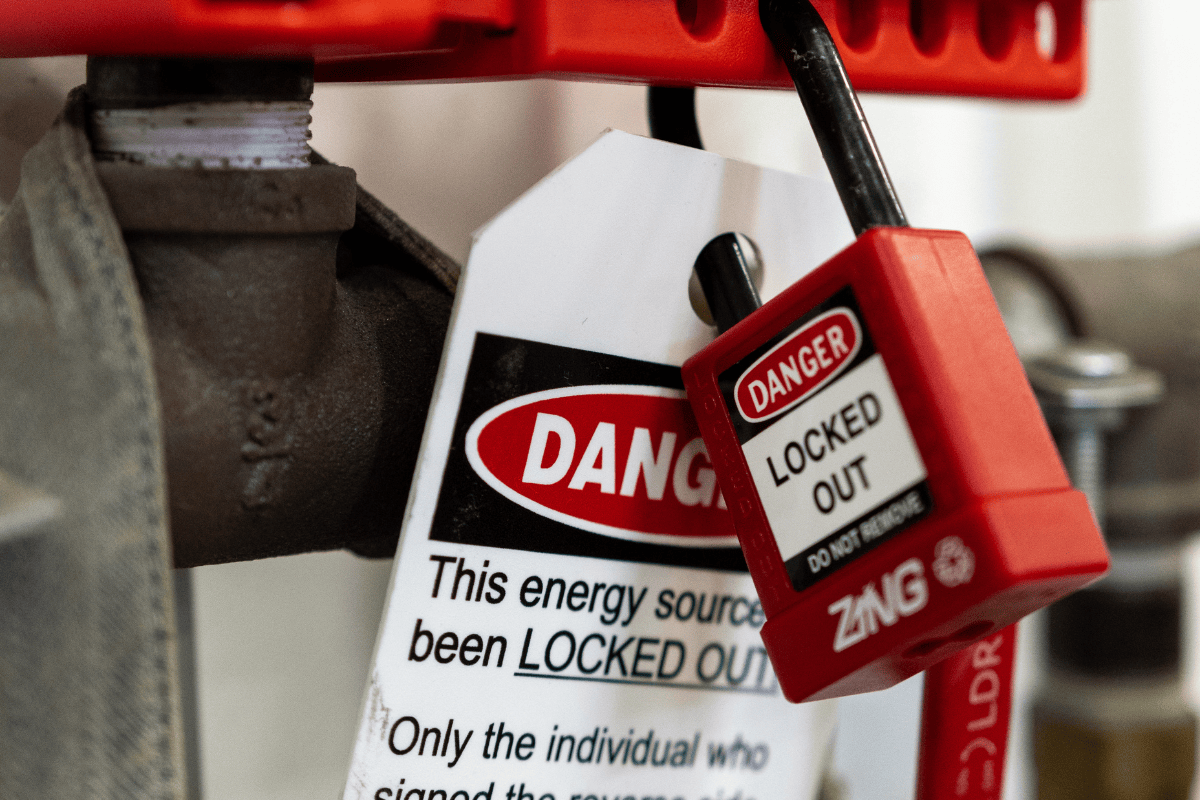
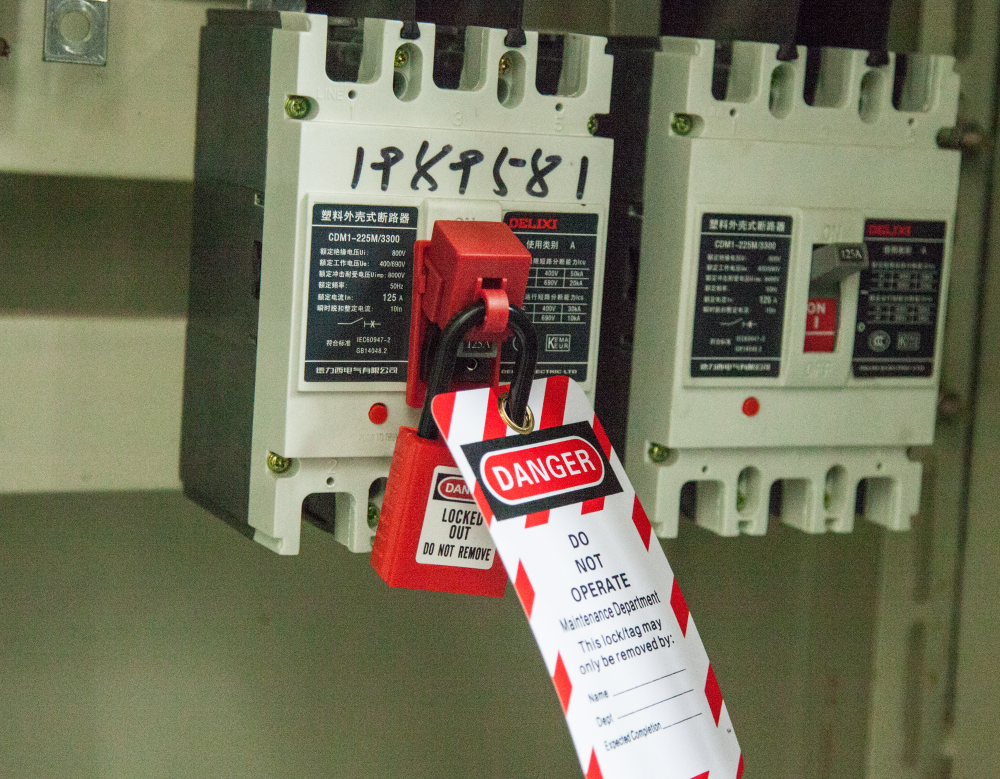
Lockout tagout is a safety protocol used to ensure machines or equipment are completely shut down and cannot be restarted until maintenance or servicing is complete. The lockout portion involves placing a physical lock on an energy-isolating device—like a circuit breaker or valve—so only the authorized employee can remove it. The tagout component adds a warning tag that identifies who locked the equipment, when, and why.
OSHA’s standard 29 CFR 1910.147 sets the legal framework for LOTO in the U.S., requiring employers to develop written procedures, train employees, and conduct annual inspections. But compliance isn’t the only driver. These procedures save lives. According to OSHA, failure to control hazardous energy accounts for nearly 10% of serious accidents in industrial settings.
Consider a real case: a technician clearing a paper jam in a printing press. Without LOTO, the machine could restart automatically during a cycle reset—trapping hands or limbs. With LOTO, the system is locked in the off position, making such incidents impossible.
The 6-Step Lockout Tagout Procedure
Effective LOTO isn’t a single action—it’s a sequence. Skipping even one step risks exposure. Here’s the industry-standard process:
1. Prep for Shutdown
Before touching any equipment, the authorized employee must know the type and magnitude of energy involved (electrical, hydraulic, pneumatic, chemical, etc.) and the methods to isolate it. This requires reviewing the machine-specific LOTO procedure.
Example: A maintenance worker servicing a hydraulic press checks the LOTO plan and confirms the system uses 3,000 psi fluid pressure. They gather a lockout hasp, personal lock, and tag.
2. Notify Affected Personnel Everyone working near the equipment must be informed that a shutdown is imminent. This prevents surprise outages and ensures awareness.
3. Shut Down the Equipment Use normal stopping procedures—press emergency stop, turn off control switches—never assume the machine is off just because it’s not moving.

4. Isolate Energy Sources Close valves, de-energize circuits, block moving parts. This is where physical lockout devices come in. Each energy source must be isolated independently.
Common mistake: Only locking the main power switch on a machine with stored energy in springs or capacitors. Residual energy can still cause motion.
5. Apply Locks and Tags Each authorized employee applies their own lock and tag. Group lockout boxes may be used for multi-person jobs, but every individual must have their lock in place.
6. Verify Zero Energy
This is the most critical—and often skipped—step. Before starting work, the employee must attempt to restart the machine (via control panel or switch) to confirm it won't start. Then return controls to neutral.
Only after verification is complete can work begin.
Who Is Responsible? Roles in LOTO
LOTO assigns clear roles to prevent confusion during shutdowns.
Authorized Employees These are trained staff who physically implement LOTO procedures. They know how to identify energy sources, apply locks, and verify isolation. They are typically maintenance technicians, engineers, or qualified operators.
Affected Employees These are operators or workers who use or work near the equipment but don’t perform servicing. They must understand LOTO basics and never attempt to remove a lock or override a tag.
Real-world issue: In a food processing plant, an operator restarted a locked-out mixer, believing the tag was outdated. The result: severe lacerations when the agitator engaged. Training both roles is essential.
Supervisors are responsible for ensuring procedures are followed and audits are conducted. Misalignment between roles—such as an authorized employee assuming an affected worker knows the rules—creates dangerous gaps.
Common LOTO Failures and How to Fix Them
Even facilities with well-documented procedures fall short in practice. Here are the most frequent breakdowns:
- Using tags without locks (tagout-only systems): Tags can be removed or ignored. OSHA allows tagout-only under strict conditions, but lockout is always safer.
- Shared locks or master keys: Defeats the purpose of personal control. Each worker must use their own lock.
- Skipping verification: Assuming the machine is dead without testing.
- Inadequate training: New hires or temporary workers aren’t brought up to speed.
- Missing energy sources: Forgetting secondary power like backup batteries or gravity-fed systems.
Workplace tip: Conduct surprise LOTO drills. Have safety officers observe a simulated maintenance task. You’ll quickly spot gaps in execution.
Prevention starts with a culture of ownership. A lock isn’t just a device—it’s a personal promise that no one will turn that machine on.
Creating Machine-Specific LOTO Procedures
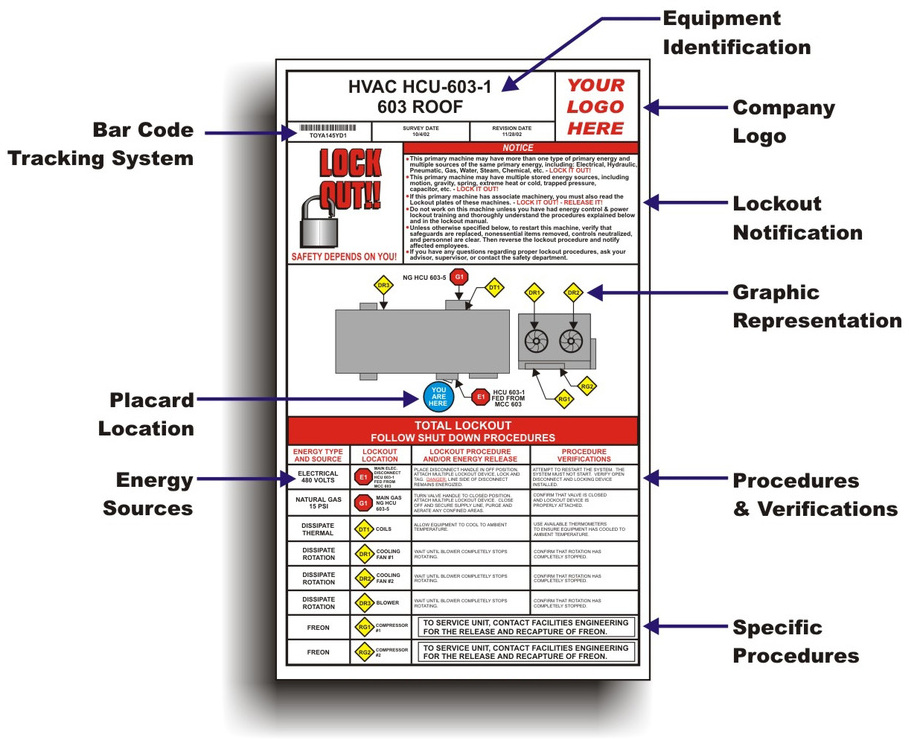
One-size-fits-all doesn’t work. A CNC mill has different energy sources than a boiler or a conveyor system. OSHA requires written, equipment-specific procedures that include:
- The type of energy used
- The location and method of isolation
- Steps for shutdown, isolation, locking, and verification
- List of lockout devices required

Example procedure for a band saw: 1. Turn off power switch. 2. Open disconnect switch at junction box. 3. Apply personal lock to disconnect. 4. Release blade tension (mechanical energy). 5. Test start button. 6. Tag with name, date, and purpose.
These procedures should be posted near equipment or accessible digitally. Visual aids—like photos or diagrams—improve clarity.
LOTO Devices: Tools That Make the System Work
The right hardware ensures procedures are effective. Common lockout devices include:
- Lockout hasps: Allow multiple locks on a single isolation point.
- Valve locks: Prevent opening of gas, steam, or fluid lines.
- Circuit breaker locks: Fit over breakers to prevent reactivation.
- Plug lockouts: Secure electrical cords.
- Group lockout boxes: Used when multiple workers are on one machine. Each adds their lock; the box holds the keys to the main lock.
Pro tip: Use durable, standardized locks (e.g., all red) with employee names engraved. Avoid generic padlocks that blend in.
Investing in quality devices pays off. A $10 lock can prevent a $1M injury claim.
Annual Inspections: Keeping LOTO Effective
OSHA requires yearly audits of each LOTO procedure. This isn’t paperwork—it’s a live walkthrough with an authorized employee performing the procedure while a safety officer observes.
The audit must: - Confirm the written procedure matches actual practice - Identify deviations or gaps - Re-train employees as needed
Use case: During an audit at a packaging facility, the inspector noticed technicians weren’t verifying zero energy on robotic arms. The fix? Added a mandatory "test start" step in the checklist.
Audit reports should be documented and stored. They’re not just compliance artifacts—they’re improvement tools.
Integration With Broader Safety Systems
LOTO doesn’t operate in isolation. It ties into: - Permit-to-work systems (e.g., confined space entry) - Emergency response plans (what if someone is injured during LOTO?) - Maintenance management software (track lockout status digitally)
Facilities using CMMS (Computerized Maintenance Management Systems) can embed LOTO checklists into work orders. This ensures no task bypasses safety protocol.
Realistic workflow: A work order for pump servicing auto-triggers a LOTO checklist in the technician’s mobile app. Each step is confirmed with photos before the job is marked complete.
Digital tools reduce human error—but they don’t replace training. The system is only as strong as the weakest link.
Closing: Make LOTO Part of Your Safety DNA
Lockout tagout safety procedures are not optional, temporary, or situational. They are non-negotiable. Every shutdown, every repair, every cleaning—without exception—must follow the full sequence.
But beyond compliance, effective LOTO requires ownership. It means every technician treats their lock as a personal responsibility. It means supervisors enforce standards without exception. It means companies invest in training, devices, and audits not because OSHA says so, but because lives depend on it.
Start today: review one LOTO procedure, walk through it with a team member, and verify every step. Then do it again tomorrow with another machine. Safety isn’t achieved in a single action—it’s built, one lock at a time.
Frequently Asked Questions
What is the difference between lockout and tagout? Lockout uses a physical lock to prevent equipment startup. Tagout uses a warning tag. Lockout is preferred because it provides physical security; tagout relies on human compliance.
Who can remove a lockout device? Only the authorized employee who applied the lock may remove it. In rare cases, removal can be done under a formal, documented procedure involving supervisors and verification.
Can multiple people work on the same machine? Yes, using a group lockout box or hasp. Each worker applies their own lock. The machine remains locked until every individual removes their lock.
What types of energy must be controlled in LOTO? Electrical, mechanical, hydraulic, pneumatic, chemical, thermal, and gravitational energy—all must be isolated if they pose a hazard.
Do LOTO procedures apply to plug-in equipment? Yes. If an employee is performing servicing involving hazardous energy, even corded tools may require lockout using a plug lockout device.
Is training required for lockout tagout? Yes. OSHA mandates initial and annual retraining for authorized and affected employees, with documentation.
Can LOTO be bypassed for quick adjustments? No. Minor tool changes or adjustments that take place during normal production may be exempt under the "minor servicing exception," but only if the work is routine, repetitive, and integral to production—and only if other safeguards (like guarding) are in place.
FAQ
What should you look for in Lockout Tagout Safety Procedures That Prevent Workplace Injuries? Focus on relevance, practical value, and how well the solution matches real user intent.
Is Lockout Tagout Safety Procedures That Prevent Workplace Injuries suitable for beginners? That depends on the workflow, but a clear step-by-step approach usually makes it easier to start.
How do you compare options around Lockout Tagout Safety Procedures That Prevent Workplace Injuries? Compare features, trust signals, limitations, pricing, and ease of implementation.
What mistakes should you avoid? Avoid generic choices, weak validation, and decisions based only on marketing claims.
What is the next best step? Shortlist the most relevant options, validate them quickly, and refine from real-world results.