A machine powers down. A technician reaches in. Sparks fly. Seconds later, it’s too late. This isn’t fiction — it’s a real risk any time maintenance is performed on energized equipment. The solution? Lock out tag out locks, the physical and procedural barrier between workers and catastrophic energy releases.
These small, brightly colored devices are more than just padlocks. They’re central to compliance, accountability, and real-world safety in industries from manufacturing to utilities. Yet, misuse, misunderstanding, or skipping the process altogether still leads to preventable injuries every year.
This article breaks down what lock out tag out locks are, how they’re used correctly, common pitfalls, and the best tools for enforcing a reliable LOTO program.
What Exactly Are Lock Out Tag Out Locks?
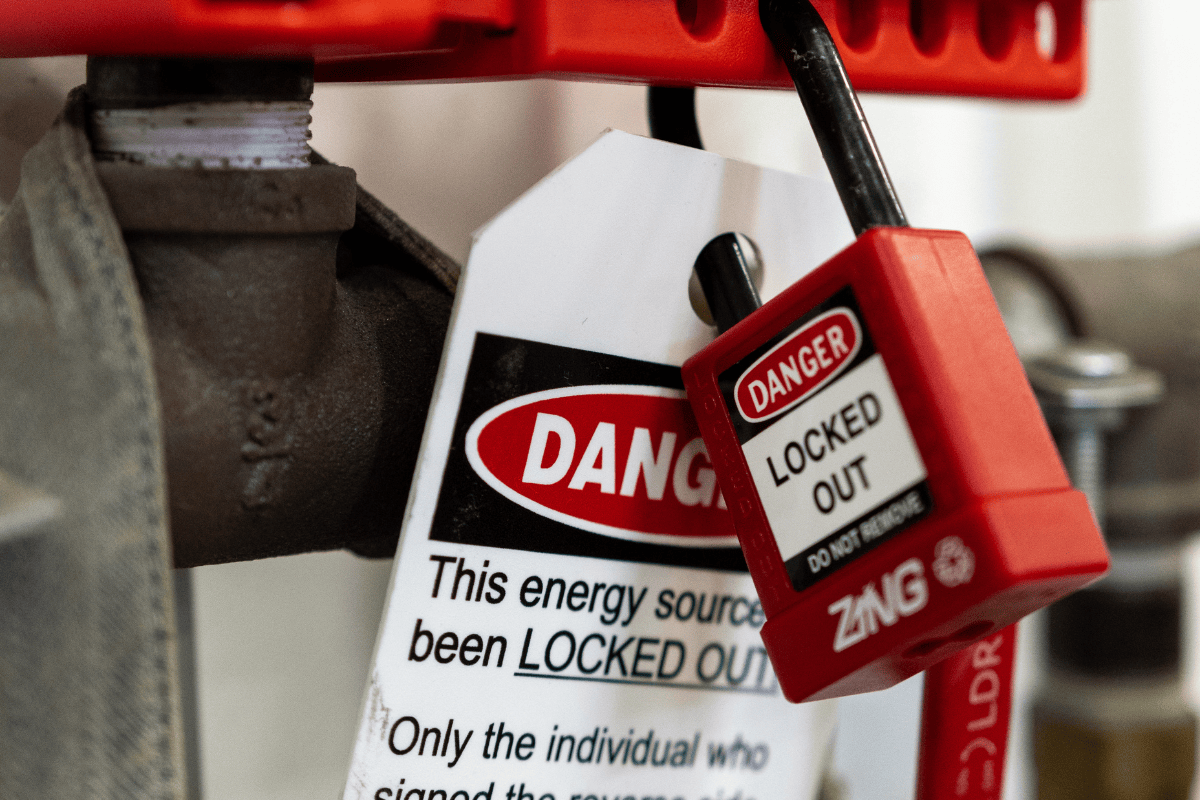
Lock out tag out (LOTO) locks are safety devices used to secure energy-isolating mechanisms — like circuit breakers, valves, or disconnect switches — during equipment servicing. They physically prevent equipment from being re-energized while work is underway.
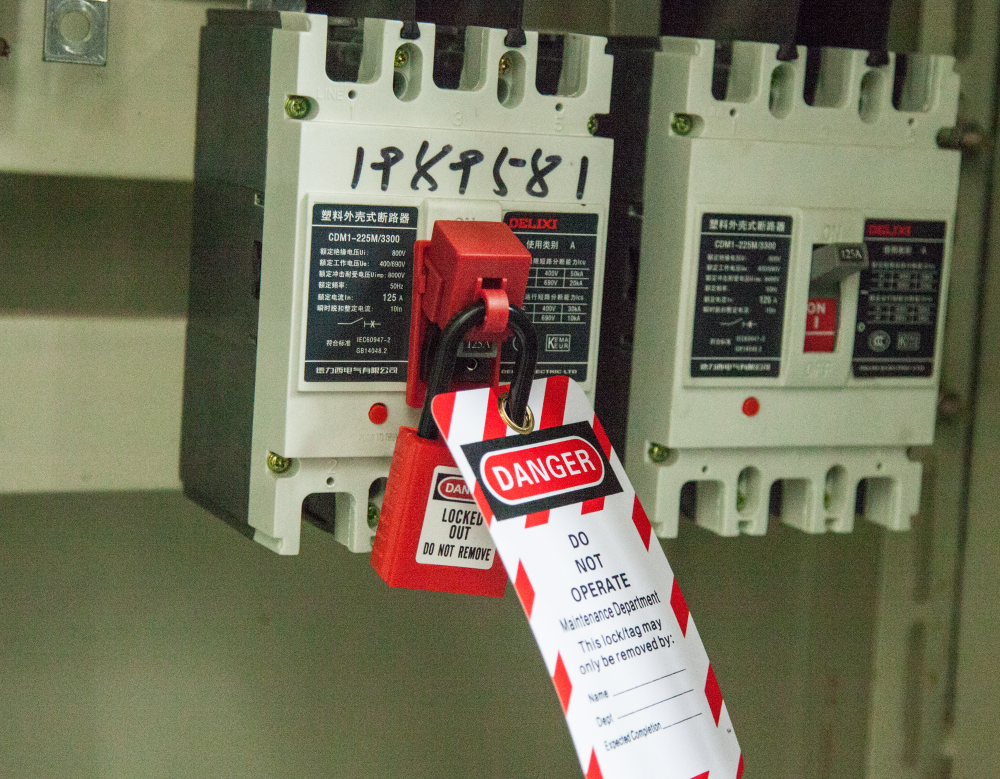
The "lock" is typically a durable padlock that can only be removed by the worker who applied it. The "tag" is a visible warning label describing the work being performed, the worker’s name, and contact details. Together, they form a system that ensures zero unexpected startup.
These locks are not generic. They’re designed specifically for LOTO compliance, often color-coded, keyed differently per employee, and built to resist tampering, heat, and corrosion.
Why LOTO Locks Are Non-Negotiable
- Prevents accidental energizing of machinery
- Protects against stored energy (hydraulic, pneumatic, thermal)
- Ensures individual accountability — one worker, one lock
- Meets OSHA 1910.147 standards in the U.S. and similar regulations globally
Without these locks, even a momentary lapse — someone flipping a switch unaware — can lead to crushing, electrocution, or worse.
How Lock Out Tag Out Locks Work: A Step-by-Step Breakdown
A LOTO procedure isn’t just about slapping on a lock. It’s a structured process that, when followed correctly, eliminates risk. Here’s how it typically unfolds in industrial settings:
1. Preparation The authorized employee identifies all energy sources powering the equipment — electrical, mechanical, hydraulic, etc. A site-specific energy control plan is reviewed.
2. Shutdown The machine is shut down using normal stopping procedures. No shortcuts — this must follow operational protocols.
3. Isolation All energy-isolating devices are physically disconnected. Circuit breakers are flipped off, valves closed, lines drained.
4. Application of Locks and Tags Each isolation point is secured with a lock out tag out lock. The worker applies their personal lock and attaches a tag with: - Their name - Date and time - Reason for lockout - Contact information
5. Release of Stored Energy Residual energy (like pressurized air or capacitors) is bled, grounded, or otherwise neutralized.
6. Verification The worker attempts to start the machine (using normal controls) to confirm it cannot operate. This is the critical verification step — no verification, no safety.
7. Maintenance Performed Only after all steps are complete can work begin.
8. Removal Once work is done, the same worker removes their lock and tag. No one else should ever remove a coworker’s lock.
Common Mistakes That Undermine LOTO Locks

Even with the right tools, human error or poor training can render LOTO ineffective. These mistakes are alarmingly common:
❌ Using Personal Locks Instead of LOTO-Specific Locks A standard hardware store padlock might fit, but it lacks visibility, durability, and compliance features. LOTO locks are bright red or yellow, non-conductive, and often has a key-retaining mechanism (key only removable when lock is open).
❌ Tagging Without Locking The tag alone is not enough. Tags can be ignored or fall off. The lock is the physical barrier. OSHA requires both.
❌ Group Lockout Without Proper Coordination
When multiple workers are involved, a group lockout box or hasp should be used. Each worker applies their lock to the common point. But too often, only one lock is used — defeating individual accountability.
❌ Skipping Verification Some workers assume the machine is dead because it was shut down. But without attempting to restart it, you can’t be sure. Skipping this step is like driving without checking your mirrors.
❌ Using Master Keys to Bypass Locks Some facilities keep "master" keys to remove locks quickly. But if used improperly, this violates LOTO principles. Only the worker who applied the lock should remove it — exceptions require strict procedures and documentation.
Types of Lock Out Tag Out Locks and Their Uses
Not all LOTO locks are the same. Different energy sources and equipment require specialized locking devices. Here are the most common types:
| Type | Use Case | Material/Features |
|---|---|---|
| Padlocks | Standard electrical disconnects | Nylon or steel, non-conductive, 25–38mm shackle |
| Valve Lockouts | Pipes, gas lines, fluid systems | Wraparound clamps, fits multiple valve types |
| Circuit Breaker Locks | Electrical panels | Hinged plastic, fits lever-style breakers |
| Plug Lockouts | Electrical cords/plugs | Encapsulates plug, prevents reinsertion |
| Hasps and Group Lockout Devices | Multiple workers on one machine | Steel hasp, allows multiple locks on one point |
Each of these ensures that energy can’t be restored without deliberate, authorized action.
Top 5 LOTO Lock Solutions for Industrial Teams When selecting lock out tag out locks, reliability, visibility, and compatibility matter.
Here are five trusted options widely used in industrial environments:
1. Master Lock 14MPU Solid Padlock
- Shackle: 38mm stainless steel
- Features: Keyed alike options, weather-resistant
- Best for: General-purpose electrical lockout
- Why it stands out: Durable, OSHA-compliant, bright red finish
2. Grace Industries G1001 Circuit Breaker Lockout
- Design: Hinged nylon lock
- Compatibility: Fits most 1- or 2-pole breakers
- Best for: Electrical panels and switchgear
- Why it stands out: Easy one-hand operation, UV-resistant
3. Seton 80001 Valve Lockout
- Adjustable: Fits 1/2" to 3" valves
- Material: Reinforced plastic with steel cable
- Best for: Pneumatic and hydraulic systems
- Why it stands out: Quick install, withstands high temps
4. SafelyLock Plug Lockout Device
- Size: Holds standard NEMA 5-15 plugs
- Design: Hard plastic enclosure with lockable latch
- Best for: Portable tools and machinery
- Why it stands out: Prevents plug reinsertion, compact
5. Justrite 22300 Group Lockout Hasp
- Capacity: Up to 13 locks
- Material: Galvanized steel, corrosion-resistant
- Best for: Maintenance teams working on complex systems
- Why it stands out: Enables safe multi-person lockout with full accountability

These products are not just tools — they’re part of a safety culture. Investing in quality ensures longevity and compliance.
Integrating LOTO Locks Into Your Safety Workflow
A LOTO program isn’t just about buying locks. It requires training, auditing, and integration into daily operations.
Training That Sticks
- Conduct hands-on drills, not just classroom sessions
- Use real equipment and simulate lockout scenarios
- Require certification before granting LOTO authority
Regular Audits
- Perform monthly or quarterly LOTO audits
- Check for missing tags, improper lock use, skipped verification
- Document findings and correct issues immediately
Clear Procedures
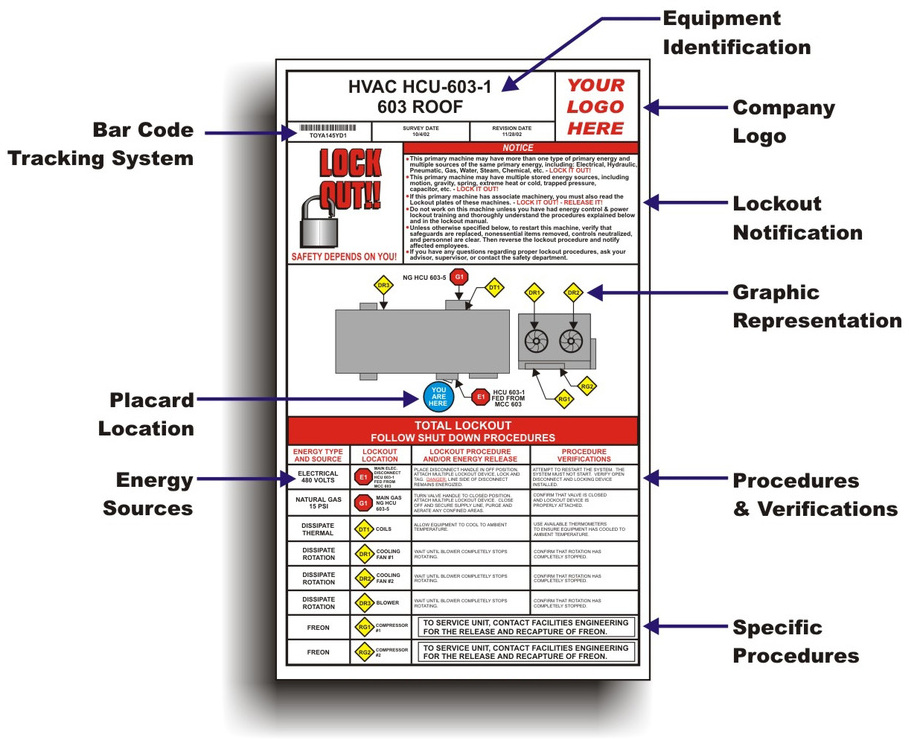
- Maintain written energy control plans for each machine
- Post LOTO steps near high-risk equipment
- Update procedures when machinery changes
A strong LOTO program reduces risk, but only if it’s living — not just a binder on a shelf.
Real-World Example: How LOTO Locks Prevented a Disaster
At a Midwest auto parts plant, a maintenance technician was repairing a hydraulic press. Following protocol, he: - Shut down the system - Closed the hydraulic valve - Applied his personal LOTO lock and tag - Bled residual pressure - Verified the machine wouldn’t start
Moments later, an operator, unaware of the maintenance, attempted to restart the press. The lock prevented engagement. The technician was unharmed.
Without the lock, the press could have activated, crushing the worker’s arm or worse. This isn’t theoretical — it’s why LOTO exists.
Conclusion: Your Safety Depends on the Right Lock
Lock out tag out locks are more than compliance tools — they’re life-saving devices. From selecting the right type to enforcing strict procedures, every step matters. Whether you’re a safety manager, technician, or operations lead, your vigilance ensures that no one becomes a statistic.
Start today: audit your current LOTO practices, replace generic locks with compliant ones, and verify that every worker knows not just the “how,” but the “why.” The lock on that valve or switch might be the only thing standing between safety and disaster.
FAQ
What is the difference between a lockout and a tagout? Lockout uses a physical lock to prevent energy restoration, while tagout uses a warning tag. OSHA requires lockout where possible; tagout alone is only acceptable if lockout isn’t feasible.
Can one lock be used for multiple energy sources? No. Each energy-isolating device must have its own lock. Multiple sources increase risk and require individual control.
Who can remove a lockout device? Only the authorized employee who applied the lock may remove it. In emergencies, removal can be done under strict procedures involving supervisors and verification.
Are LOTO locks required by law? Yes. In the U.S., OSHA standard 1910.147 mandates the use of lockout/tagout procedures in general industry. Similar regulations exist in Canada, the EU, and Australia.
Can LOTO locks be reused? Yes. High-quality LOTO locks are designed for repeated use. However, they must be inspected regularly for damage, corrosion, or tampering.
Why are LOTO locks often red? Red is universally associated with stop and danger. It increases visibility and ensures the lock stands out in busy environments.
What happens if a worker forgets to remove their lock? The equipment remains locked out until the worker returns or a formal removal procedure is followed, including confirmation the worker is safe and aware.
FAQ
What should you look for in What Are Lock Out Tag Out Locks and Why They Matter? Focus on relevance, practical value, and how well the solution matches real user intent.
Is What Are Lock Out Tag Out Locks and Why They Matter suitable for beginners? That depends on the workflow, but a clear step-by-step approach usually makes it easier to start.
How do you compare options around What Are Lock Out Tag Out Locks and Why They Matter? Compare features, trust signals, limitations, pricing, and ease of implementation.
What mistakes should you avoid? Avoid generic choices, weak validation, and decisions based only on marketing claims.
What is the next best step? Shortlist the most relevant options, validate them quickly, and refine from real-world results.