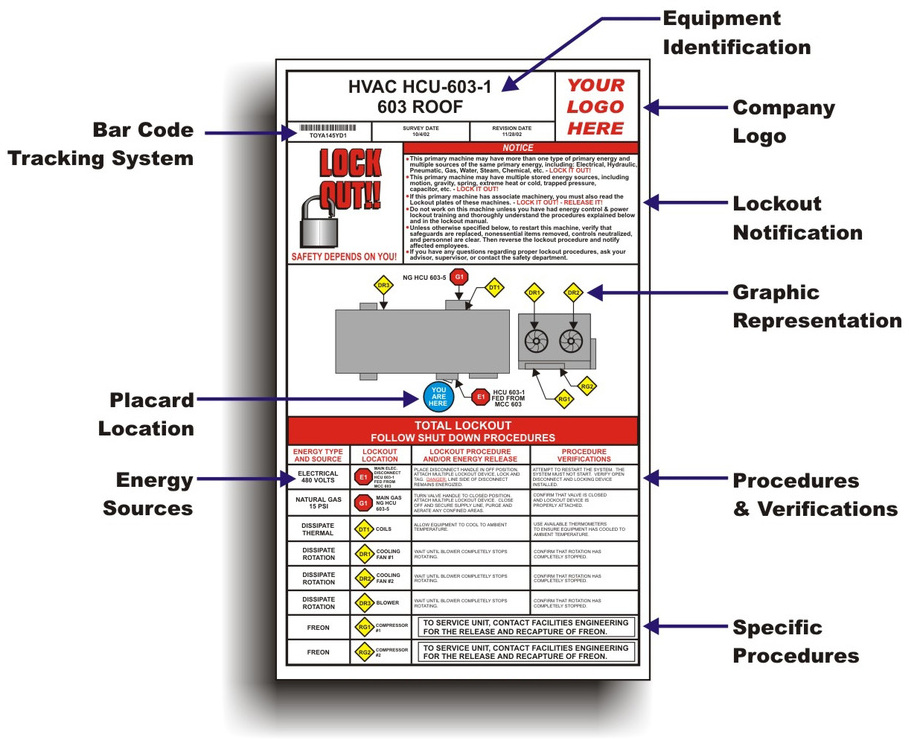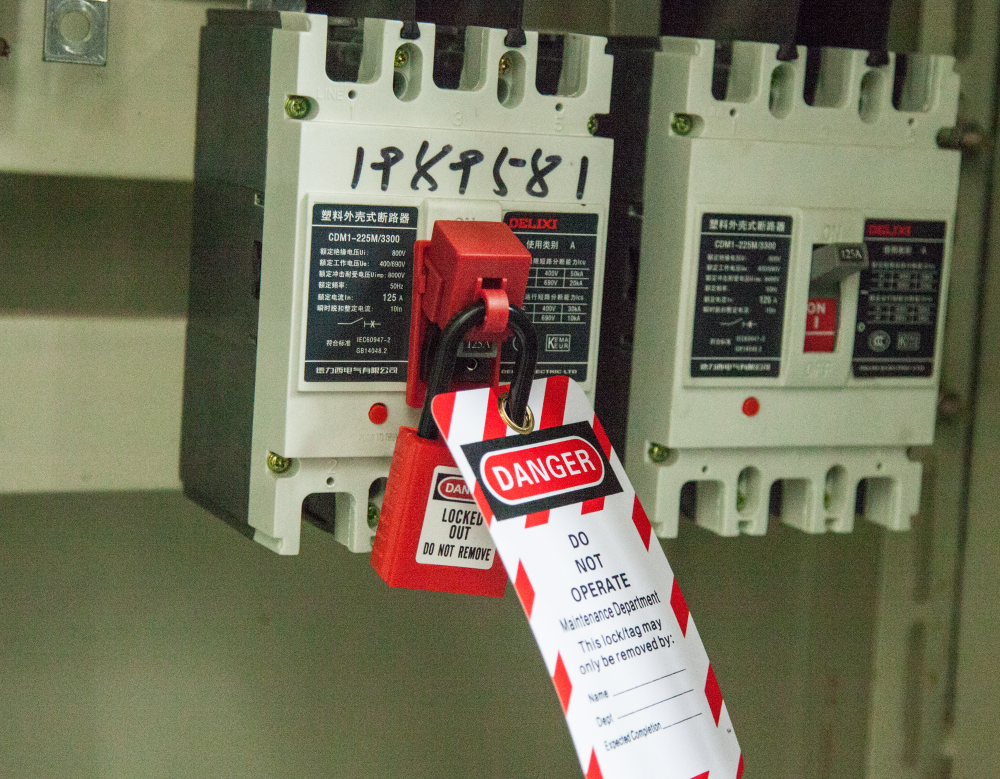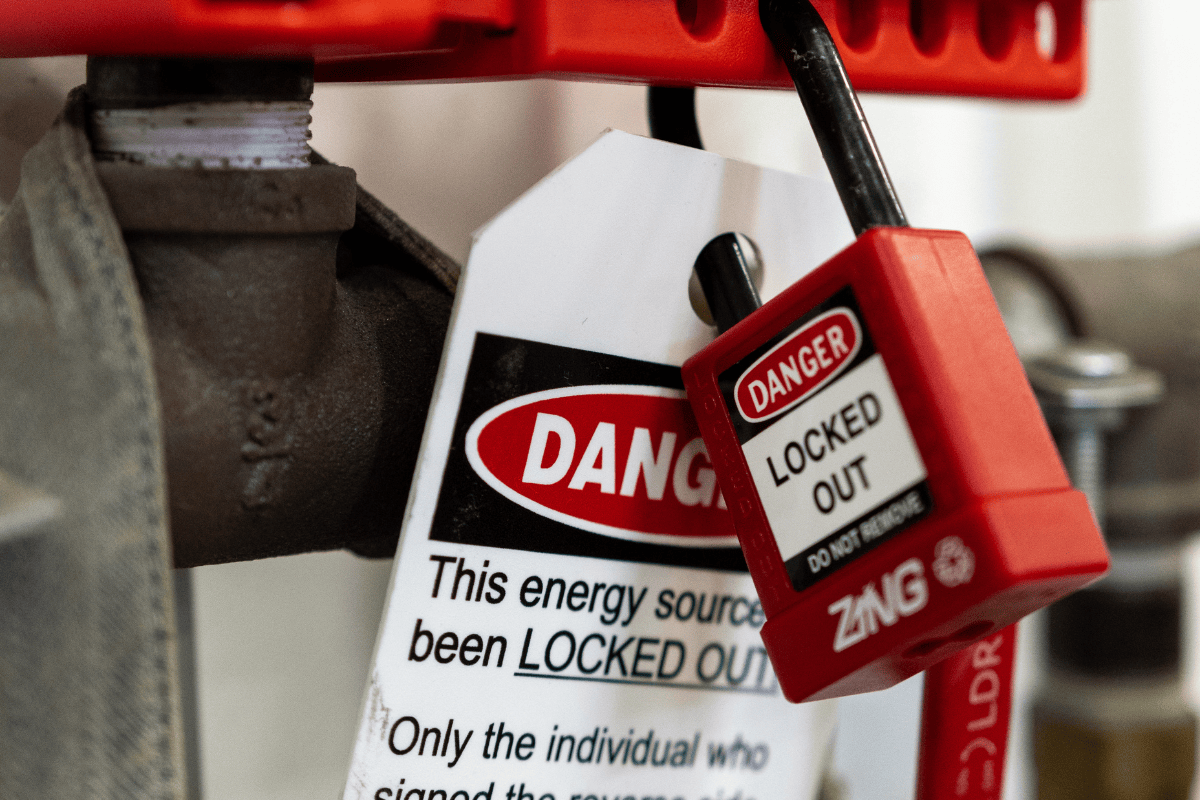
Every year, hundreds of workers suffer serious injuries—or worse—because machinery was accidentally energized during maintenance. The root cause? A missing or improperly executed lockout tagout. What is a lockout tagout, exactly? It’s a safety procedure used to ensure that dangerous machines are properly shut off and not restarted until maintenance or servicing is complete. More than a protocol, it’s a legal and ethical obligation in industrial environments.
At its core, lockout tagout (LOTO) is about controlling hazardous energy. Whether mechanical, electrical, hydraulic, pneumatic, chemical, or thermal, uncontrolled energy release can be catastrophic. LOTO isn't just a set of tags and locks; it’s a structured system designed to eliminate risk when employees work on powered equipment.
The Core Components of Lockout Tagout
Lockout and tagout are two distinct but interconnected actions. Understanding both is essential to grasp what a lockout tagout truly entails.
Lockout refers to the physical isolation of energy sources using a lock—usually a padlock—applied by the worker performing the maintenance. This lock prevents the machine from being turned on until it's removed by the same person.
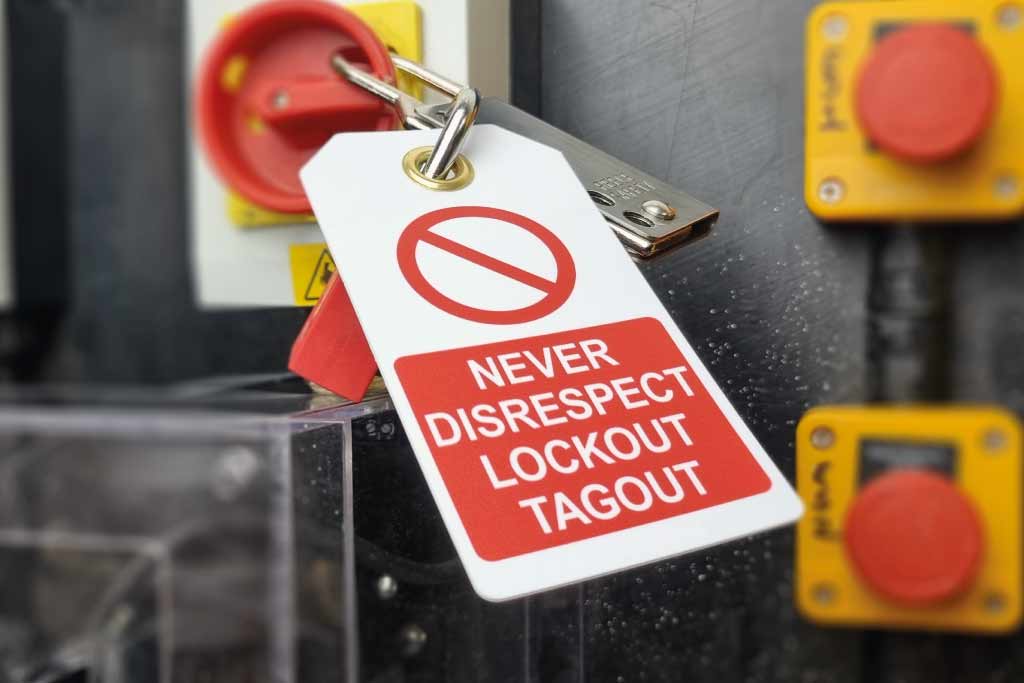
Tagout, on the other hand, involves placing a warning tag on the energy-isolating device. The tag includes information such as the worker’s name, date, reason for shutdown, and contact details. While tagout raises awareness, it doesn’t physically prevent re-energization, making it less secure than lockout.
OSHA (Occupational Safety and Health Administration) permits tagout-only systems only when lockout isn’t feasible—but only if the tagout program provides equivalent protection. In most high-risk environments, lockout is required.
Real-World Example: Conveyor System Maintenance
Imagine a technician needs to clear a jam in a conveyor belt system. Without LOTO, someone else could hit the start button while the technician’s arm is inside the machinery. With a proper LOTO procedure:
- The technician shuts down the conveyor.
- Isolates the power source at the breaker.
- Applies their personal lock and tag.
- Tests the system to confirm zero energy.
- Performs the repair.
- Removes the lock only after verifying the area is clear.
This sequence prevents accidental startup and protects both the technician and others nearby.
When Is Lockout Tagout Required?
LOTO applies whenever servicing or maintaining equipment that could unexpectedly release stored energy. OSHA standard 29 CFR 1910.147 outlines the criteria. Key triggers include:
- Cleaning or clearing jams
- Replacing parts (e.g., belts, blades, motors)
- Performing adjustments or lubrication on energized components
- Installation or dismantling of machinery
It’s not just about large industrial machines. Even smaller equipment like printers, mixers, or compact hydraulic presses can pose serious risks if not properly de-energized.
Common Exceptions
While broad, LOTO doesn’t apply in all cases. Minor tool changes, routine production adjustments, or cord-plugged equipment (where the plug is under the employee’s exclusive control) may fall outside full LOTO requirements. However, employers must still assess risk and ensure alternative protective measures are in place.
The 6-Step LOTO Procedure: A Practical Framework
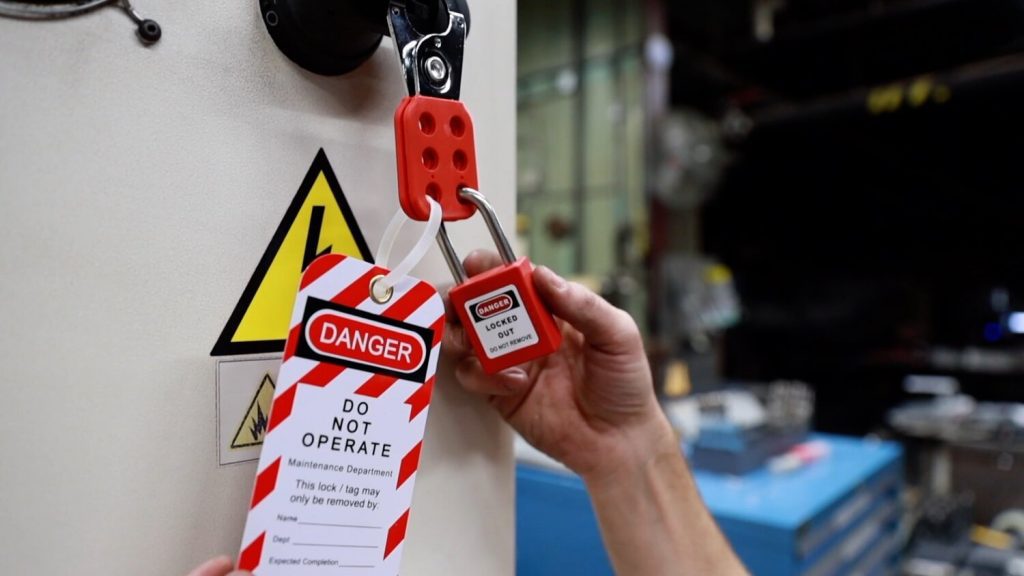
A successful lockout tagout process follows a defined sequence. Deviating from it increases risk. Here’s the industry-standard six-step approach:
1. Preparation Identify the type and magnitude of energy sources powering the equipment. Review machine-specific LOTO procedures. Gather necessary locks, tags, and tools.
2. Notification Inform all affected employees that a shutdown is occurring. This prevents confusion and ensures no one attempts to restart the machine unaware.
3. Shutdown Use normal stopping procedures to power down the machine. This is not the time for shortcuts—follow the manufacturer’s shutdown protocol.
4. Isolation Physically disconnect the energy source. This might mean turning off a breaker, closing a valve, or blocking a hydraulic line. Verify isolation by checking gauges or pressure indicators.
5. Application of Locks and Tags Each authorized employee applies their own lock and tag. This personal accountability is non-transferable. Group lockout boxes may be used for multiple workers, but each person retains control of their key.
6. Verification Attempt to restart the machine (without removing guards or exposing risk) to confirm it cannot energize. Return controls to “off” or “neutral” afterward.
Only after all six steps are complete should work begin.
Common LOTO Mistakes That Lead to Accidents
Even with procedures in place, failures happen. Most LOTO-related incidents stem from human error or complacency.
- Using master keys to remove locks: Violates personal control. Only the original person should remove their lock.
- Skipping verification: Assuming the machine is off without testing it.
- Inadequate training: Workers don’t understand energy types or isolation methods.
- Tag-only systems where lockout is required: Tags can be ignored; locks physically prevent operation.
- Failure to document procedures: Ad-hoc shutdowns increase inconsistency and risk.
One real case involved a maintenance worker clearing a jam in a packaging machine. A supervisor, unaware of the repair, used a master key to restart the line—resulting in a crushed hand. The lack of proper tagging and unauthorized lock removal were direct contributors.
Who Is Responsible for LOTO Compliance?
Responsibility is shared, but roles are clearly defined.
Authorized employees are trained personnel who perform LOTO and service equipment. They apply and remove locks, follow procedures, and verify isolation.
Affected employees operate or use the equipment but don’t service it. They must understand when LOTO is in place and never attempt to bypass it.
Employers bear ultimate responsibility. They must: - Develop written energy control procedures - Provide training and retraining - Conduct annual audits - Supply appropriate LOTO devices
OSHA inspections often focus on whether procedures are documented, accessible, and consistently followed. A missing written plan is a common citation.
Industry-Specific LOTO Challenges and Adaptations
While the core principle remains the same, LOTO implementation varies by sector.
Manufacturing High-mix environments with dozens of machine types require detailed, model-specific procedures. Standardization across production lines reduces confusion.
Construction Mobile equipment and temporary setups complicate LOTO. Generators, compressors, and cranes need portable locks and clear communication across crews.
Healthcare Medical equipment like MRI machines or sterilizers involve complex energy systems. Biomedical technicians must follow LOTO despite space constraints and 24/7 operational demands.
Utilities High-voltage systems demand electrical-specific lockout procedures, often governed by NFPA 70E standards in addition to OSHA.
In each case, the challenge is adapting the universal LOTO framework to dynamic, high-stakes environments.
The Cost of Ignoring Lockout Tagout
Non-compliance isn’t just dangerous—it’s expensive. OSHA penalties for LOTO violations can exceed $15,000 per instance. Willful or repeated violations push fines even higher.
Beyond fines, the human and operational costs are greater: - Lost workdays - Increased insurance premiums - Legal liability - Reputational damage
One study found that for every dollar invested in safety programs like LOTO, companies save $4 in incident-related costs. The return isn’t just financial—it’s cultural. A strong LOTO program signals that safety is non-negotiable.
Best Practices for Effective LOTO Implementation
To move beyond compliance and build a culture of safety, organizations should:
- Develop machine-specific procedures: One-size-fits-all doesn’t work. Each high-risk machine needs a documented LOTO workflow.
- Use durable, standardized devices: Locks and tags should be tamper-resistant, clearly labeled, and color-coded if helpful.
- Conduct regular audits: Observe real-world lockout scenarios and correct deviations.
- Train consistently: Include refresher courses and hands-on drills.
- Empower workers: Encourage reporting of near-misses and procedural gaps without fear of retaliation.
A plant in Ohio reduced LOTO-related incidents by 70% over two years by introducing visual checklists at each machine station and holding monthly safety walkthroughs with frontline staff.
Final Thoughts: LOTO Is More Than a Procedure—It’s a Commitment
Understanding what a lockout tagout is goes beyond memorizing steps. It’s about recognizing that behind every lock and tag is a person whose life depends on that system working flawlessly. LOTO is not bureaucracy—it’s the last line of defense against preventable tragedies.
Implementing it effectively requires diligence, training, and leadership buy-in. But the payoff is clear: safer workplaces, compliant operations, and peace of mind for every employee who steps onto the shop floor.
Start by auditing your current procedures. Are they written? Are they followed? Do workers understand not just how to do LOTO, but why it matters? Fix the gaps—before an accident forces the issue.
FAQ
What does LOTO stand for? LOTO stands for Lockout Tagout, a safety procedure to isolate energy sources during equipment maintenance.
Who can remove a lockout device? Only the authorized employee who applied the lock may remove it, ensuring personal control over safety.
Is tagout as effective as lockout? Tagout alone is less secure because it doesn’t physically prevent startup. Lockout is required when feasible.
How often should LOTO procedures be reviewed? Written procedures must be inspected annually, and retraining conducted at least every 12 months.
Can multiple workers use one lock? No. Each worker must apply their own lock. Group lockout boxes allow multiple locks on one isolation point.
What types of energy require LOTO? Electrical, mechanical, hydraulic, pneumatic, chemical, thermal, and gravitational energy all require control under LOTO.
Does OSHA require written LOTO procedures? Yes. OSHA mandates documented, machine-specific energy control procedures for all affected equipment.
FAQ
What should you look for in What Is a Lockout Tagout and Why It Matters in Safety? Focus on relevance, practical value, and how well the solution matches real user intent.
Is What Is a Lockout Tagout and Why It Matters in Safety suitable for beginners? That depends on the workflow, but a clear step-by-step approach usually makes it easier to start.
How do you compare options around What Is a Lockout Tagout and Why It Matters in Safety? Compare features, trust signals, limitations, pricing, and ease of implementation.
What mistakes should you avoid? Avoid generic choices, weak validation, and decisions based only on marketing claims.
What is the next best step? Shortlist the most relevant options, validate them quickly, and refine from real-world results.